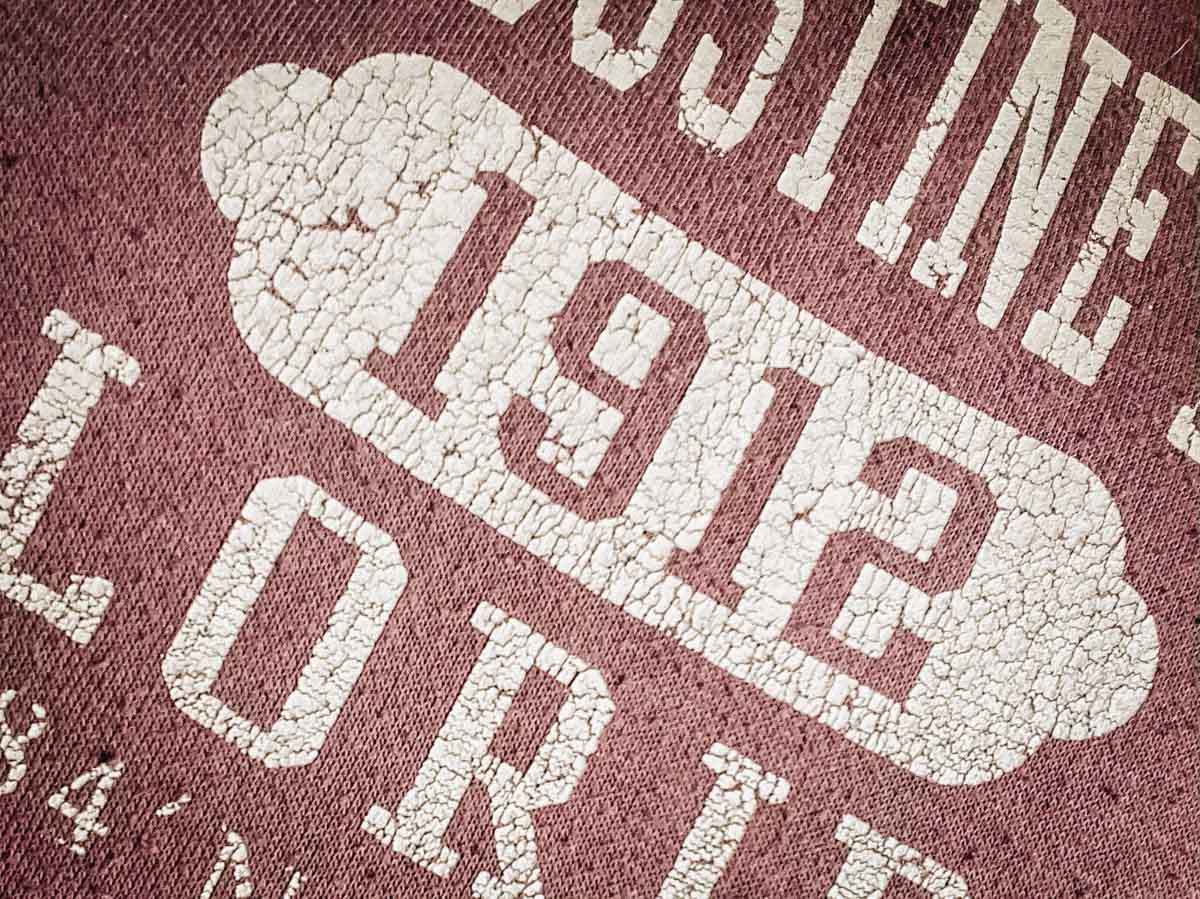
Understanding the Causes of Cracking in Your Prints
Understanding the causes of cracking in your prints is essential for anyone involved in printing, whether you are a professional or a hobbyist. Cracking can occur for several reasons, including improper ink formulation, insufficient curing time, or environmental factors. Ink viscosity plays a significant role; if the ink is too thick or too thin, it can lead to cracks. Furthermore, temperature fluctuations during the drying process can create tension in the ink layers, leading to visible cracks in the final product.
Another important factor to consider is the substrate used for printing. Different materials absorb ink differently, and some may not adhere well to the ink, leading to issues like cracking. For instance, using glossy paper with certain ink types can result in an inadequate bond, increasing the risk of cracks. To minimize these issues, it is advisable to conduct thorough tests with various inks and substrates before committing to a full print run. By understanding these factors, you can take proactive steps to reduce the likelihood of cracking and enhance the quality of your prints.
If you're a fan of the popular anime and manga series, visiting a one piece shop is a must. You'll find a variety of merchandise, from action figures to clothing, that celebrates the adventures of Monkey D. Luffy and his crew. Whether you're looking to collect or just want to show off your love for One Piece, these shops offer something for every fan.
Top 5 Tips to Prevent Cracking in 3D Prints
3D printing is an exciting technology, but one common issue that can arise during the process is cracking. To help you maintain the integrity of your prints, here are Top 5 Tips to Prevent Cracking in 3D Prints. First, consider the quality of your filament. Using high-quality materials can significantly reduce the likelihood of cracking, as they tend to have better adhesion properties. Always check the manufacturer's specifications and choose filaments that are known for their durability.
Another crucial factor is the printing temperature. Maintain the appropriate temperature settings for your specific filament type. If the temperature is too low, the layers might not bond properly, leading to cracks. Conversely, excessive heat can cause warping, which also contributes to cracking. As a rule of thumb, always calibrate your printer and conduct test prints to verify optimal settings before large-scale projects.
How Temperature and Humidity Affect Your Print Quality
Understanding how temperature and humidity influence your print quality is crucial for achieving optimal results in any printing process. High levels of humidity can cause paper to absorb moisture, leading to warping, increased curl, and inconsistent ink absorption. This can ultimately result in blurred text or images and uneven color distribution. On the other hand, excessively low humidity levels can create static electricity, causing paper jams and misalignments, severely impacting overall print efficiency. Therefore, maintaining a balanced atmosphere in your printing environment is essential for preserving both the integrity of the materials and the clarity of the final output.
Additionally, the temperature within your printing workspace plays a vital role in the performance of both ink and equipment. If the temperature is too high, it may cause ink to dry too quickly, resulting in poor adhesion and incomplete coverage. Conversely, low temperature conditions can lead to longer drying times and increased ink flow issues. To mitigate these challenges, consider investing in a climate control system to monitor and adjust temperature and humidity levels, thus ensuring a stable environment that fosters consistent and high-quality print results.