Exploring the Hidden Stories Behind Urban Station Art
The vibrant world of urban station art is often viewed merely as aesthetic adornment, but beneath its colorful surfaces lie hidden stories that reflect the culture and history of the neighborhoods they inhabit. Each mural, graffiti piece, or installation serves as a canvas for local artists, showcasing their perspectives, struggles, and triumphs. These artworks often tell tales of community resilience, gentrification, or even social movements, prompting passengers to pause and reflect on the deeper meanings behind the art as they transit through bustling urban environments.
Furthermore, the significance of urban station art extends beyond its immediate geographical location. Many pieces are part of larger initiatives aimed at revitalizing forgotten spaces, engaging local communities, and promoting public discourse. The collaborative nature of creating and maintaining these murals invites participation and fosters a sense of belonging among residents. This exploration of hidden stories not only enhances the visual landscape but also connects commuters to their city's heartbeat, reminding them that the walls surrounding them are alive with narratives waiting to be discovered.
Counter-Strike is a popular first-person shooter game series that pits teams of terrorists against counter-terrorists in various objective-based scenarios. The game is celebrated for its competitive gameplay and has become a staple in eSports. Players often seek strategies to enhance their gaming experience, such as finding the Top 10 charging stations to ensure their devices are always powered during intense gaming sessions.
The Role of Train Stations in Shaping Urban Artistic Expression
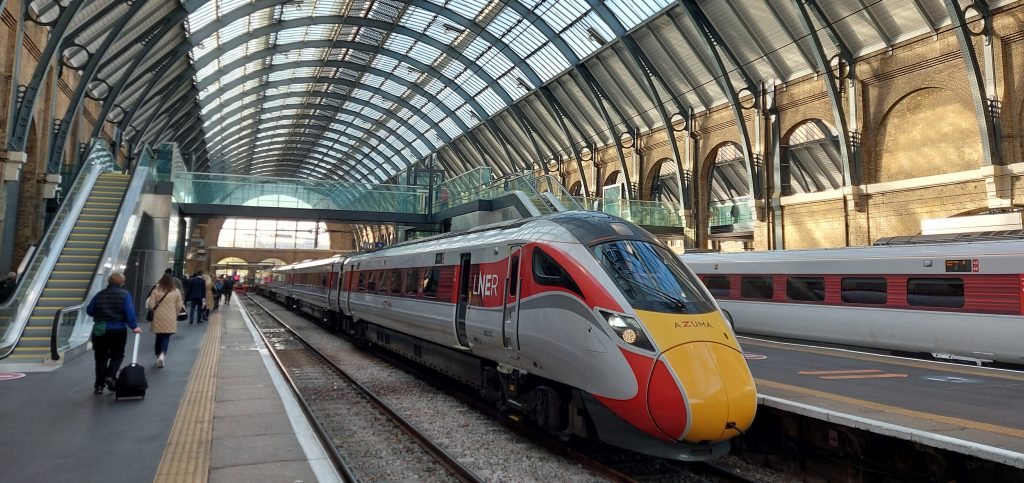
Train stations serve as more than just transit hubs; they are also vibrant canvases where urban artistic expression flourishes. The architecture of these stations often reflects the cultural identity of the city, showcasing unique designs that can range from classical to modern. Public art installations, including murals, sculptures, and performance spaces, transform the often utilitarian landscapes into dynamic galleries that engage commuters and visitors alike. By incorporating art into the everyday travel experience, train stations help to foster a sense of community and cultural pride, prompting discussions around both local history and contemporary societal themes.
Moreover, the strategic placement of artistic elements within train stations encourages local artists to showcase their work, providing them with exposure and opportunities for collaboration. Events such as art fairs, live performances, and community workshops can often be found in and around these bustling spaces, effectively turning train stations into cultural epicenters. As cities continue to evolve, the role of train stations in shaping urban artistic expression will remain vital, as they not only link different areas but also serve as a reflection of the ever-changing urban landscape.
How Urban Art at Stations Reflects Community Identity and Culture
Urban art at transit stations serves as a powerful expression of community identity and culture. These vibrant murals and installations often reflect the unique history and values of the neighborhoods they inhabit, telling stories that resonate with local residents. By incorporating symbols, motifs, and themes that are rooted in the community's heritage, artists create a sense of belonging and pride among commuters and visitors alike. In this way, urban art acts as a visual representation of the identity that defines a place, shaping perceptions and fostering connections between individuals who share that space.
Furthermore, the presence of urban art at stations enhances the overall travel experience, transforming mundane transit environments into dynamic canvases that inspire and engage. For instance, when art reflects significant events, figures, or local landscapes, it not only beautifies the area but also educates travelers about the region’s culture. As a result, urban art becomes a medium through which community identity is celebrated and preserved, inviting dialogue and interaction among diverse groups. As cities continue to evolve, such artistic expressions will remain essential in nurturing a collective sense of identity and cultural continuity.