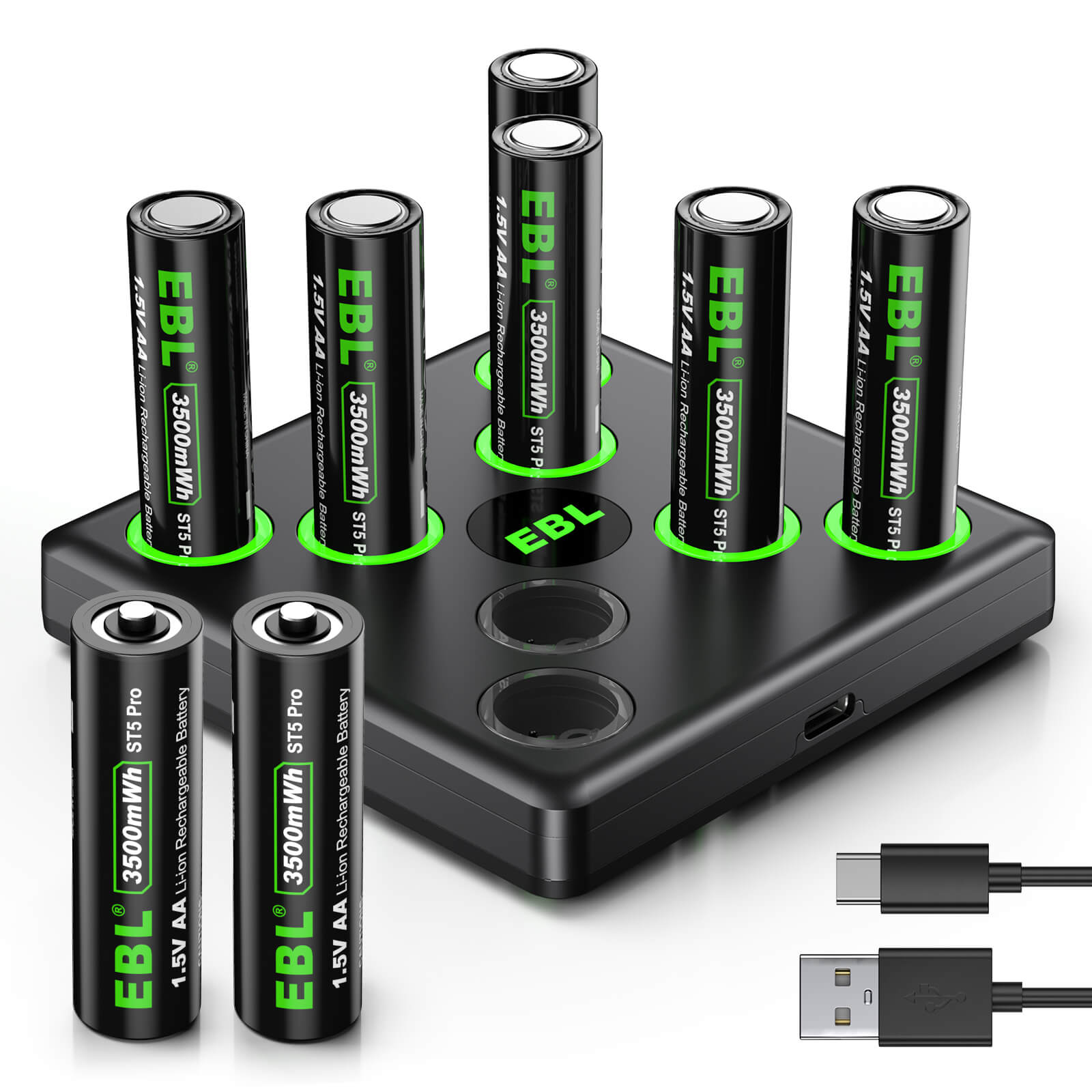
The Future is Now: Understanding the Impact of Rechargeable Batteries on Everyday Life
The advent of rechargeable batteries has revolutionized the way we interact with technology in our daily lives. From smartphones to electric vehicles, these batteries provide a sustainable alternative to disposable options, significantly reducing electronic waste. As global awareness around environmental issues increases, the importance of rechargeable batteries continues to rise. Consumers are now more empowered than ever to make choices that contribute to a greener planet, and batteries that can be easily recharged play a critical role in this transition. The convenience of being able to charge devices at home or on the go has fundamentally changed our relationship with technology.
Moreover, the impact of rechargeable batteries extends beyond personal devices and appliances. Industries are increasingly adopting battery technology for various applications, including renewable energy systems that store solar or wind power. As we advance towards a more electrified future, the demand for efficient and long-lasting battery solutions increases. This shift not only supports sustainability but also fosters innovation in sectors such as transportation and energy storage. With ongoing research and development, the future holds great promise for rechargeable batteries, making them integral to our everyday lives and the global economy.
Counter-Strike is a popular tactical first-person shooter game that has become a cornerstone of competitive gaming. Players compete in teams to achieve objectives, such as planting or defusing bombs, or rescuing hostages. As the community continues to grow, it remains a favorite among gamers and eSports enthusiasts alike. For those looking to enhance their mobile photography, check out the Top 10 Selfie Lights for iPhone 17 to capture the perfect shot.
Exploring the Science Behind Rechargeable Batteries: How They Work and Why They Matter
Rechargeable batteries are a critical component of modern technology, powering everything from smartphones to electric vehicles. At the heart of these batteries lies the science of electrochemistry, which allows them to store and release energy efficiently. When a rechargeable battery is charged, an electrical current reverses the chemical reactions that occur within its cells, effectively restoring energy. This process typically involves the movement of lithium ions between the anode and cathode, creating a flow of electrons that generates electricity. Understanding this mechanism not only helps us appreciate how these batteries work but also highlights the innovations that can lead to even more efficient energy storage solutions.
Moreover, rechargeable batteries matter significantly in our quest for sustainability and reducing our carbon footprint. By replacing disposable batteries with rechargeable options, we can minimize waste and resource consumption. Typically, a single rechargeable battery can replace hundreds of single-use batteries, thereby reducing landfill waste considerably. As the global demand for renewable energy and electric vehicles rises, improving the efficiency and lifespan of rechargeable batteries becomes increasingly vital. This evolution holds the potential to transform our energy consumption patterns and push forward the transition towards a more sustainable future.
Are Rechargeable Batteries Worth It? A Comprehensive Comparison to Disposable Options
When considering whether rechargeable batteries are worth the investment, it’s essential to evaluate both their environmental and economic impacts. Unlike disposable batteries, which contribute to landfill waste and environmental pollution, rechargeable batteries can be used hundreds of times. In fact, many rechargeable options can replace up to 1,000 disposable batteries over their lifespan, significantly reducing the number of batteries thrown away. Not only do rechargeable batteries offer long-term savings, as they can be recharged and reused, but they also lessen the environmental footprint of battery disposal. Therefore, for eco-conscious consumers, the choice is clear—opting for rechargeable batteries aligns with sustainable practices.
On the economic side, while rechargeable batteries typically have a higher upfront cost than disposable ones, they can lead to substantial savings in the long run. For example, consider the following factors when making your decision:
- Initial purchase price
- Recharge cycle lifespan
- Replacement costs of disposables