How Computers Enhance Our Daily Lives: Friend or Foe?
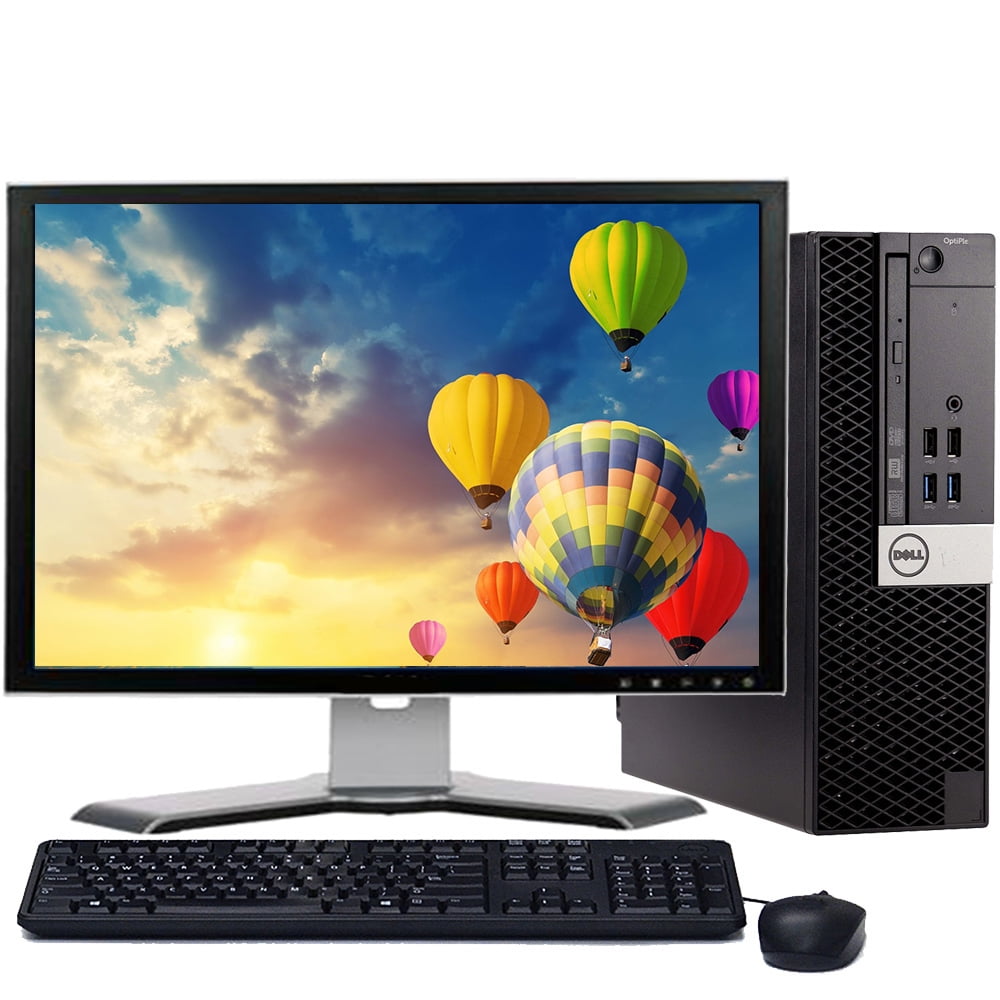
In today’s fast-paced world, computers have become an integral part of our daily lives, influencing how we work, learn, and interact with others. From smartphones to laptops, these devices not only improve productivity but also enhance communication. For instance, video conferencing tools like Zoom and collaborative platforms like Google Workspace allow teams to connect and work together regardless of geographical distance. However, as we embrace these advancements, it's essential to recognize the potential downsides, such as the risk of information overload and digital addiction, which may detract from personal connections and well-being.
On the other hand, computers serve as a gateway to knowledge and entertainment, enriching our lives in numerous ways. The internet provides access to an unparalleled amount of information, enabling lifelong learning and personal growth. Additionally, entertainment platforms like Netflix and gaming consoles offer a source of relaxation and enjoyment. Nevertheless, it is important to strike a balance; excessive screen time can lead to health issues, such as eye strain and reduced physical activity. Ultimately, while computers can be seen as both a friend and a foe, their impact on our daily lives largely depends on how we choose to use them.
Counter-Strike is a popular tactical first-person shooter game that has shaped the landscape of competitive gaming since its initial release. Players choose to either fight as terrorists or counter-terrorists, engaging in various game modes that require teamwork and strategy. For gamers looking to enhance their experience, it's essential to consider various hardware options, such as the Top 10 Laptop Accessories to Prevent Overheating that can improve performance during intense matches.
The Dark Side of Technology: When Computers Become Your Worst Enemy
The rapid evolution of technology has undoubtedly transformed our lives for the better, making communication and information access easier than ever. However, there exists a dark side of technology that can turn our trusted tools into formidable adversaries. As reliance on computers and smartphones grows, issues such as addiction, cybersecurity threats, and privacy invasions become increasingly prevalent. Many individuals find themselves ensnared in a world where the very devices designed to enhance productivity end up crippling their ability to focus or connect authentically with others.
One of the most alarming aspects of this technological dilemma is the phenomenon known as digital burnout. People are constantly bombarded with notifications and information, leading to heightened stress levels and diminished mental health. Furthermore, the rise of artificial intelligence and automation poses significant threats to job security, prompting anxiety about the future of employment. To combat these challenges, it becomes imperative to strike a balance between leveraging technology for convenience and remaining vigilant against its potential to become our worst enemy.
Navigating the Digital Age: Are Computers Making Us Smarter or More Dependent?
In today's fast-paced world, the advent of technology has sparked a debate on how computers are influencing our cognitive abilities. On one hand, they undoubtedly enhance our capacity to access vast amounts of information, enabling us to learn more effectively and quickly. With tools like search engines and online courses, we have resources at our fingertips that were unimaginable just a few decades ago. However, such accessibility raises the question: are we becoming smarter, or are we merely outsourcing our memory and problem-solving skills to machines? The reliance on these systems can lead to a form of intellectual dependence where critical thinking is potentially compromised.
Moreover, the impact of computers on our daily lives extends beyond education and into social interactions. While technology connects us globally, it may also be diminishing our ability to engage deeply in face-to-face communications. For instance, the proliferation of social media platforms facilitates real-time conversations, but they can also promote a superficial engagement that undermines genuine relationships. As we navigate this digital age, it’s crucial to strike a balance between leveraging technological advancements and maintaining our inherent human intellect and social skills. The challenge lies in determining whether our evolving relationship with technology is one that ultimately fosters independence and enhanced cognition or leads to an over-reliance that stunts our personal growth.