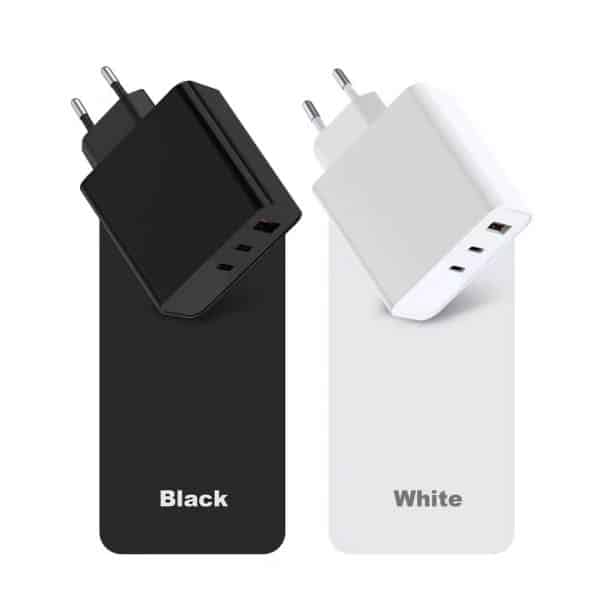
The Future of Charging: Understanding Fast Charging Technologies
The future of charging is evolving rapidly, driven by the need for faster and more efficient technologies in our increasingly electrified world. Fast charging technologies aim to minimize the downtime associated with recharging devices, whether it's smartphones, electric vehicles, or other electronic gadgets. Innovations such as supercharger networks and advanced battery management systems are paving the way for charging solutions that can deliver substantial power in a fraction of the time. As manufacturers continue to push the boundaries of battery efficiency and conductivity, users can expect a seamless integration of fast charging into their daily lives, making the charging experience more convenient and accessible.
As we look towards the future, several key trends are emerging within the realm of fast charging technologies. First and foremost, wireless charging is gaining traction, allowing for more versatile charging options without the hassle of tangled cords. Furthermore, the development of ultra-fast charging stations is becoming a focus for electric vehicle infrastructure, enabling drivers to recharge their cars in the time it takes to grab a coffee. In addition, advancements in battery chemistry, such as solid-state batteries, promise to deliver faster charging speeds while enhancing safety and longevity. Overall, understanding these trends will be essential for both consumers and industry professionals looking to navigate the future landscape of charging technologies.
Counter-Strike is a popular first-person shooter game that has captivated millions of players around the world since its release. The game features a team-based objective format, where players assume the roles of either terrorists or counter-terrorists. For those looking to boost their gaming experience, investing in the right accessories is crucial. Check out the Top 10 fast chargers for iPhone to ensure your devices are always powered for extended play.
How Power Delivery is Enhancing Device Performance and Efficiency
The Power Delivery (PD) technology has revolutionized the way devices charge and communicate their power needs. By enabling faster charging capabilities, PD not only minimizes downtime but also enhances overall device performance. Users can experience quicker battery replenishment, which is particularly vital for high-demand applications such as gaming, video streaming, and professional tasks. Through intelligent negotiation between devices and chargers, Power Delivery ensures that the correct amount of power is supplied, optimizing energy efficiency and prolonging battery lifespan.
Moreover, the efficiency of Power Delivery extends beyond just charging. With its ability to support higher wattages, PD facilitates better performance in power-hungry devices like laptops and monitors, allowing them to deliver more seamless user experiences. As manufacturers increasingly adopt this technology, consumers benefit from unified standards that promote compatibility and reduce clutter from multiple chargers and cables. In conclusion, Power Delivery is not only about faster charging but is also pivotal in enhancing device performance and operational efficiency across a broad spectrum of products.
What You Need to Know About USB Power Delivery and Its Impact on Your Gadgets
USB Power Delivery (USB PD) is a fast charging protocol that enhances the way your devices receive power. Unlike traditional USB charging, which is limited to 5 volts, USB Power Delivery can deliver up to 100 watts of power, significantly speeding up the charging time for smartphones, tablets, laptops, and other devices. This technology allows for higher power levels through a single USB-C connector, ensuring that you can use the same cable for a variety of gadgets. With the increasing number of devices relying on USB-C, understanding how USB PD works can help you choose the right accessories and optimize your charging experience.
The impact of USB Power Delivery on your gadgets extends beyond just faster charging speeds. It also enables smart charging capabilities, where devices can negotiate the power requirements and adjust accordingly. This means that your devices can communicate with each other, ensuring that power is distributed efficiently. Furthermore, USB PD supports bi-directional charging, allowing devices like laptops to charge smartphones while they're connected. Embracing USB PD technology can lead to a more streamlined setup, reducing the clutter of multiple chargers and cables and enhancing the usability of your tech ecosystem.